Low Sun, Long Tables: Why Winter Light Belongs on the Menu
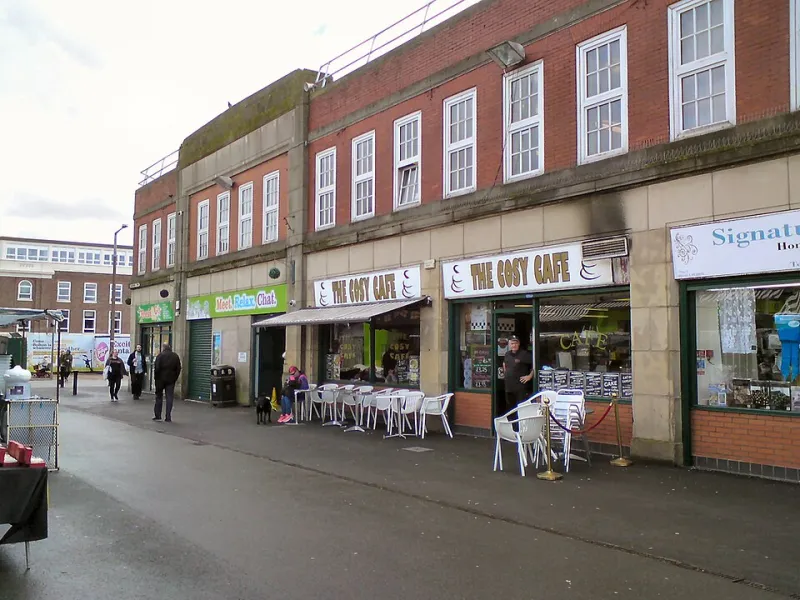
Photo: Gerald England , CC BY-SA 2.0, via Wikimedia Commons
November has a way of making a café feel either like a sanctuary or a waiting room. The difference is rarely the coffee. It is the light.
Walk into a good independent café at 3pm on a grey Tuesday this month and you should feel the day soften, not end. The windows should be doing some quiet work. The lamps should be low and warm. The room should hold a little glow rather than switching on a fluorescent shrug. That is not a small thing. In a British winter, light is the ingredient most cafés forget to put on the menu.
Light Is a Seasonal Ingredient
We talk about seasonal food constantly — the first forced rhubarb, the last of the tomatoes, the point at which a soup becomes the only sensible order. Light deserves the same attention. It changes with the calendar. It has texture, colour and temperature. It alters how a plate looks, how long you linger, whether a room feels generous or mean.
A café that understands this does not try to defeat the dark. It works with it. It puts the best seats near the glass and then gives those seats something to look at. It layers light instead of flooding the room. It accepts that a low winter sun raking across a table is more valuable than another row of ceiling spots.
The window seat is not a consolation prize. It is the best table in the house from October to March, and the cafés that treat it that way tend to get everything else right too.
Three Rooms That Make the Most of the Gloom
The Long Room, Hebden Bridge
A former mill room with tall west-facing windows and a stubbornly simple layout: long tables, bentwood chairs, no clutter on the sills. In the late afternoon the light comes in almost horizontal and turns the room amber for twenty minutes. The café leans into it with low pendant lamps and no overhead glare. It feels like a place where the day is allowed to end slowly.
Plate to match: roast Crown Prince squash with brown butter, sage and sourdough. Sweet, nutty and the colour of the light itself.
The Bellhouse, Frome
This one has the advantage of a south-facing glass front and the discipline not to fill it with plants. The result is a room that stays bright even when the sky is doing its best to be grey. Mirrors are used sparingly, just enough to bounce the last of the afternoon across the back wall. It is a café for reading, for waiting out a shower, for pretending you are not checking the clock.
Plate to match: leek and potato soup with a smoked cheddar scone. Pale, warm and quietly restorative.
North Star Coffee Rooms, Glasgow
Not every winter room needs to be golden. This high-ceilinged café uses cool north light well, keeping the walls pale and the furniture dark so the light has something to land on. Table lamps do the rest. It is a space that feels clear-headed rather than cosy, which is its own kind of comfort on a dreich afternoon.
Plate to match: beetroot-cured trout with rye, dill and pickled fennel. Sharp, clean and built for a room with a cool edge.
What the Lighting Designer Says
“Winter light in the UK is not weak,” says Mara Ellison, a Bristol-based lighting designer who works with hospitality rooms. “It is low and directional. That is a gift. Most cafés ruin it by turning on too many cool overhead lights at 2pm because they think the room looks dark. What they actually do is flatten the room and make everyone look tired.”
Her advice is simple: layer the light, keep it warm, and put it at eye level. “A lamp on a windowsill, a pendant over a table, a candle on the counter — these are not decorative extras. They are the difference between a room that feels held and a room that feels like a bus shelter.”
She also warns against the blue-rich bulbs that make a space feel clinical. “In winter, people are already short of warmth. Give them 2700K to 3000K and a dimmer. Let the windows do the bright work.”
The Practical Case for Better Light
You do not need a huge budget. You need a plan. Put the good seats near the glass. Clear the sills. Use mirrors to move light into corners rather than to make the room look bigger. Choose lampshades that soften the bulb, not ones that show it off. Keep the overheads off until the natural light has genuinely gone. If the room has a dark hour — and most UK cafés do — make it a feature with candlelight or a single warm pendant rather than a blast of white light.
This is not fussy design advice. It is hospitality. A café that handles winter light well is telling you it has thought about how you will feel at 4pm, not just how the coffee will taste at 9am.
What to Order When the Sun Drops
The plate should follow the light. When the room turns amber, order something golden: squash, brown butter, toasted bread, a bowl of something with a glossy dark broth. When the light is cool and clear, go for contrast: pickles, cured fish, beetroot, sharp cheese. A good café will already have made that calculation for you. The menu should feel like it belongs to the room and the season at the same time.
That is the Sovereign Light test, really. Not whether a café is pretty, but whether it knows what to do with the day it has been given. In November, that means treating the low sun as an ingredient — and putting it to work.