Seven Pounds, One Story: The Seasonal Small Plate Taking Over UK Café Menus
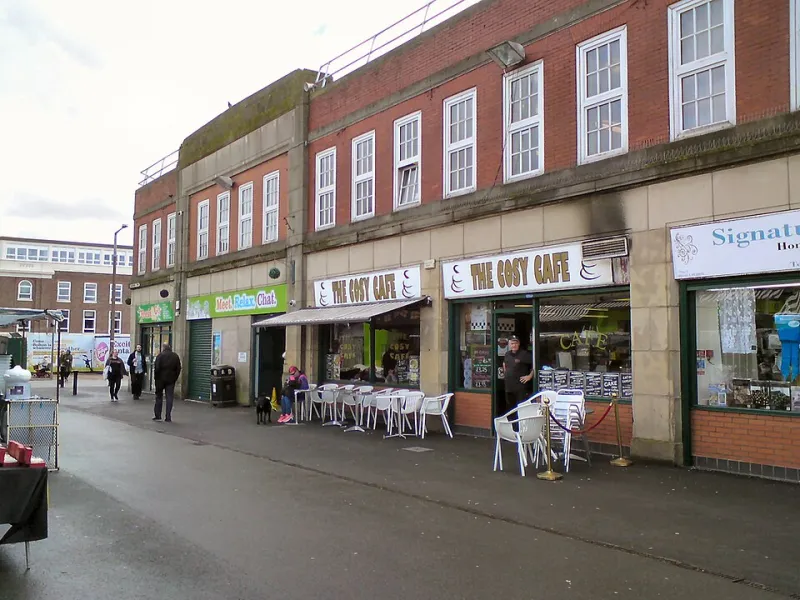
Somewhere between the £14 brunch board and the £4 flat white, a new kind of café order has taken hold: one seasonal plate, priced at about £7, and built to tell a short, local story.
It is not a tasting menu. It is not a sharing board. It is a single dish — often vegetable-led, often on toast, often with one clever garnish — that sits at the centre of the menu and does most of the talking. In 2026, it is the most interesting thing happening in British café food.
The £7 Plate Is Not a Smaller Menu
At first glance, the £7 plate looks like a response to hard times: smaller portions, smaller prices, smaller risk. That is only half the story. The better cafés are using it to do something harder. They are asking one ingredient to carry the whole plate, which means the ingredient has to be good, the cooking has to be precise, and the menu has to change when the seasons do.
That is why the £7 plate often feels more ambitious than the sprawling all-day brunch board it replaced. A café can hide a lot under hollandaise. It cannot hide much under a leek.
A Short History of Doing One Thing Properly
The idea is not new. British pub snacks, Spanish tapas, Middle Eastern meze and the small-plates boom that followed the 2008 financial crisis all proved that people would rather order several small things than one big one. But the café version is different. It is not about sharing. It is about focus.
The pandemic menu shrink accelerated the shift. Cafés cut their offerings, found they wasted less and cooked better, and many never went back. Then the cost-of-living squeeze after 2022 made the £14 brunch board feel indulgent. A £7 plate, made with care, became the sensible order and the interesting order at the same time.
What has emerged in 2026 is a more confident format: one thing, done properly, with a price that feels honest and a provenance that is actually stated. It is a small revolution, but it is a real one.
Eight Plates from Cardiff to Carlisle
Canna & Co, Cardiff
Welsh leek rarebit with Perl Las on sourdough, £7. The leeks are cooked down until sweet, the cheese is sharp enough to cut through the bread, and the whole thing tastes like a Welsh winter should.
The Allotment Table, Bristol
Roast Jerusalem artichoke with hazelnut and thyme, £7. Earthy, nutty and unapologetically knobbly. A plate that makes the most of a vegetable most menus ignore.
Moseley Larder, Birmingham
Smoked aubergine with pomegranate and flatbread, £7. Smoky, sharp and generous. The flatbread is made in-house and the pomegranate does the work of a much more expensive ingredient.
Cutler & Rye, Manchester
Buttered Lancashire cheese, pickled beetroot and oatcake, £6.50. A northern cheese board in miniature, with enough acidity to keep it from feeling heavy.
North Yard Kitchen, Leeds
Celeriac remoulade with toasted seeds and treacle bread, £7. Crunchy, creamy and quietly clever. The treacle bread is the kind of thing you end up buying a loaf of on the way out.
Quayside Pantry, Newcastle
Smoked mackerel with horseradish cream and rye, £7.50. Briny, hot-sweet and clean. A plate that tastes like the North Sea on a clear day.
Marchmont Rooms, Edinburgh
Haggis, neeps and crispy potato cake, £7. Familiar flavours, precise execution, and a price that makes it a weekday lunch rather than a treat.
The Drover’s Rest, Carlisle
Cumbrian sausage with lentils and kale, £7. Hearty without being heavy, and a reminder that the £7 plate does not have to be vegetarian to be seasonal.
How to Judge a Café’s Seasonal Credibility
- It names the grower or the region. Not every café can do this, but the good ones try. ‘Local’ on its own is a mood. A name is a commitment.
- The plate has one clear idea. If it needs a paragraph of description, it is probably hiding something.
- The vegetables are treated as the main event. A seasonal plate should not be a garnish with a price tag.
- The menu changes with the calendar. Not every week, but often enough that you believe the kitchen is paying attention.
- The bread is good. On a £7 plate, bread is not a side. It is part of the cooking.
- The vegetarian option is not an afterthought. It should be the dish the kitchen is proudest of.
- The staff can tell you why it is on the menu. A short answer is fine. A shrug is not.
- The price feels honest. £7 is not cheap, but it can be fair. You are paying for care, not volume.
Why the Small Plate Wins
The £7 seasonal plate is not a compromise. It is a correction. It returns café food to a sensible scale, gives local growers a proper shop window, and asks cooks to do fewer things better. It also makes the menu easier to read, which is an underrated pleasure on a wet Tuesday in November.
At its best, the plate is a small essay on the season: one ingredient, one place, one point of view. That is worth more than a brunch board that tries to be everything and ends up tasting of nothing. One thing, done properly, is still the hardest thing to get right — and the most rewarding thing to order.