The Pot Beside the Cup: Why Britain’s Café Tea Lists Are Growing Up
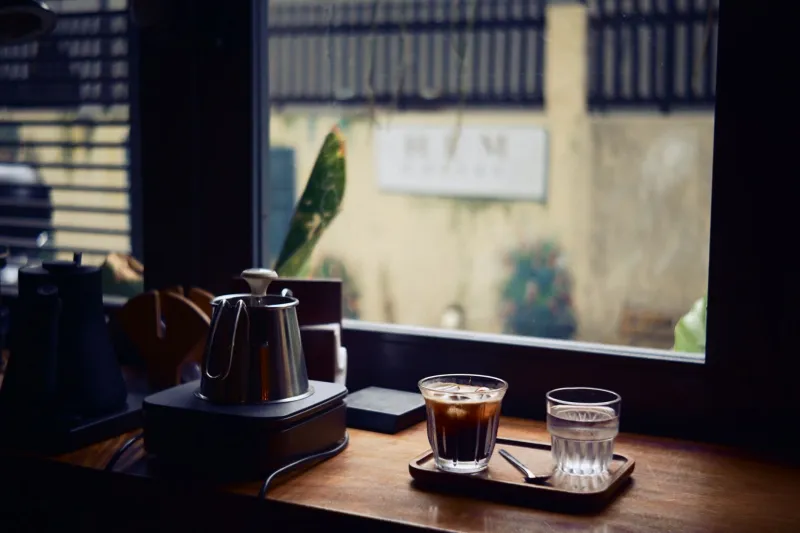
Coffee gets the theatre. It has the grinder, the scales, the little glass of sparkling water, the barista who can tell you the altitude of a farm in Huila without breaking eye contact. Tea, by contrast, has spent years being the thing you order when you do not want to make a decision. A mug, a bag, a jug of milk, maybe a biscuit if the counter is feeling generous. In too many British cafés, the tea list has been an afterthought — a beige corner of the menu while the coffee board gets chalked with tasting notes.
That is beginning to change. Across the UK, a quieter sort of café is treating tea as a subject rather than a default. Not in a fussy, linen-napkin way. More in the way good cafés treat anything worth serving: with curiosity, a bit of discipline and an eye on the season. The result is a tea list that feels less like a peace offering to non-coffee drinkers and more like a reason to sit down.
Beyond the Beige Teabag
The first shift is visible on the shelf. Loose leaf is creeping back into view, often in tins that look like they belong in a pantry rather than a lab. You will find single-origin blacks from Assam or Darjeeling, green teas that taste of cut grass rather than hot water, and oolongs with a soft, stone-fruit finish. None of this is new to specialist tea houses, of course. What is new is seeing it in neighbourhood cafés — the sort of place where the same tables host laptop workers, pram-pushers and a retired couple who have ordered the same pot at eleven o’clock for a decade.
Seasonality is doing a lot of the work. In autumn, cafés are blending warmer notes: roasted barley, cinnamon bark, a little orange peel. In summer, the list lightens with mint, elderflower and lemon verbena, sometimes grown in a window box or sourced from a small UK herb farm. Herbal infusions have become less of a consolation prize and more of a proper drink, especially in the evening when a second flat white is a bad idea and a pot of something fragrant is exactly right.
Terroir in a Teapot
The second shift is language. Cafés are starting to talk about tea the way they talk about coffee: where it grew, who made it, how it was processed. A Darjeeling from the first flush is not the same drink as a robust second-flush leaf, and a Ceylon that has been sitting in a warehouse since the previous spring will taste flatter than one that has travelled recently. You do not need a sommelier’s vocabulary to notice the difference. You just need a café that cares enough to store its tea away from light and heat, and to tell you what you are drinking.
This is where the UK’s small growers and blenders come in. Cornwall’s tea gardens have proved that leaf can grow here, albeit in small quantities; Welsh and Scottish herb growers are supplying cafés with seasonal infusions that taste of the place they came from. Even the humble builders’ brew has benefited. A properly strong Assam with a splash of milk is a great British drink, not an embarrassment. The point is not to replace it with something precious. The point is to give it the same attention as the espresso machine.
The Ritual Is the Product
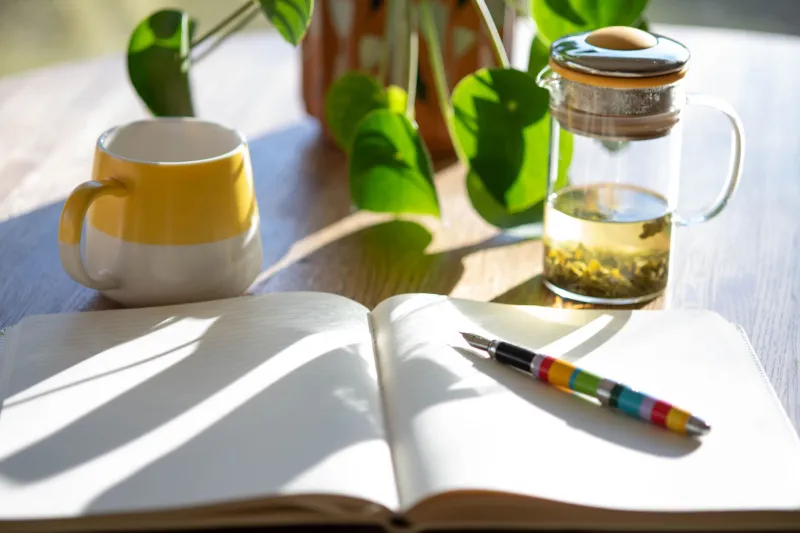
Perhaps the most interesting change is the ritual. A pot of tea asks you to wait. It arrives with a timer, or a small hourglass, or simply a look from the person behind the counter that says: give it three minutes. That pause is a feature, not a flaw. In a café culture that has spent the last decade speeding up — faster service, quicker turns, coffee to go — tea offers a gentle counterargument. It is a drink that rewards sitting still.
Some cafés are leaning into this. They bring the pot on a tray with a little dish for the bag, a jug of milk and a short note on brewing. Others offer a tasting flight: three small cups, three leaves, a chance to compare. It can sound pretentious on paper. In practice, it is often the most relaxed thing on the menu. Nobody is standing over you with a refractometer. They are just inviting you to pay attention.
What to Look For
You can spot a café that takes tea seriously without asking a single question. The water is fresh, not reheated. The pot is warmed. The leaves have room to move. The milk is cold and the staff know which blend is which. If there is a seasonal special, it will change before you get bored of it. And if you order a builder’s, nobody will make you feel like you have failed a test.
This is not a call to abandon coffee. It is a call to widen the counter. Britain’s café culture is at its best when it makes room for more than one way of taking a break. A flat white can be a beautiful thing. So can a pot of first-flush Darjeeling, or a nettle and lemon balm infusion on a grey November afternoon. The tea list is finally getting its due. It has been a long time coming, and it tastes better for the wait.