The Quiet Hour: In Praise of the 3pm Café Table
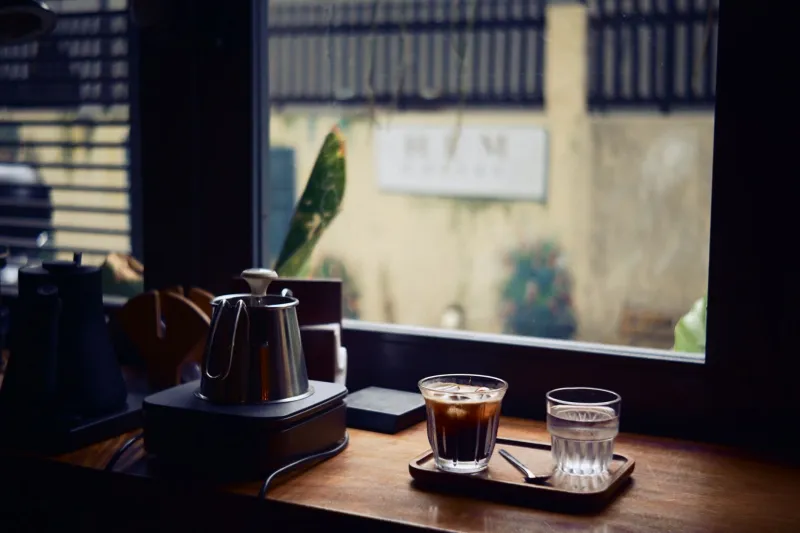
There is a moment in a good café when the plates stop clattering and the room seems to exhale. The lunch trade has gone back to work. The dinner crowd is still an idea rather than a queue. Outside, the light has gone long and amber, and inside, someone is finally wiping down the counter at a human pace. That is 3pm. Not the headline slot, not the one that gets photographed for the menu board, but the hour that quietly holds UK café culture together.
Why 3pm works differently
Midday is a transaction. Evening, in many cafés, is a closing-down operation. But late afternoon is something rarer: a proper sitting. The tables are less contested, the coffee machine has stopped hissing like a steam train, and the staff have enough time to tell you which cake came out of the oven an hour ago. In November, with the sun dropping behind the high street by half four, that window of low light and warm rooms feels almost conspiratorial. You are not eating early and you are not eating late. You are simply pausing.
The 3pm visit also suits the way many of us actually live now. Remote workers need a change of scene without committing to a full meal. Friends want a catch-up that does not turn into a three-hour dinner. Solo visitors want a table by the window without feeling they are holding up the lunch queue. The late-afternoon slot absorbs all of it, provided the café treats it as a real part of the day rather than dead time before the chairs go up.
Choosing the right café for a late-afternoon visit
Not every café is built for 3pm. A good one will have windows that let in the last of the light, a cake selection still under covers rather than scraped to crumbs, and music low enough to hear the person opposite. Look for a mix of tables: a few solo readers, a pair with a pot of tea, someone nursing a filter coffee and a notebook. That is usually a sign the café understands the hour.
Avoid anywhere that starts stacking stools at 3:15 or blasts a cleaning spray around the room while you are still eating. Also be wary of places where the only available seat is under a speaker or beside a queasy-looking radiator. Independents often do this hour best, especially those with a church noticeboard, a stack of local papers or a bench outside for the overspill. Some chains manage it well too, but the test is always the same: does the room feel like it wants you there, or like it is waiting for you to leave?
What to order when the season turns
Late autumn is the best possible time to sit at 3pm. Order a pot of tea rather than a single cup — Assam, Darjeeling, or something smoky — and let it take twenty minutes. If coffee is more your thing, a filter is often kinder than a milky flat white at this hour. On the food side, look for bakes that taste of the season: parkin, pear frangipane, apple and blackberry cake, treacle tart, a cheese scone with chutney. This is not the moment for a heavy lunch. A single good thing, eaten slowly, is the whole point.
If the café does small savoury plates, a rarebit or a bowl of soup can work beautifully, but resist the urge to turn 3pm into an early dinner. The ritual depends on restraint. One pot, one plate, one proper pause.
The etiquette of the quiet hour
Like any good ritual, 3pm has its manners. If you are working, take the smaller table and wear headphones. If you are meeting someone, keep the volume at conversation level rather than broadcast. Order a second pot if you are staying a while. And if you find a café that protects this hour — no blaring playlist, no rushed clearing — treat it as a shared inheritance rather than a private office.
Some cafés in 2026 have begun advertising a quiet hour explicitly: phones off, no calls, low music. That feels less like a gimmick and more like good stewardship. The late afternoon is when the neighbourhood drifts in — the shift worker, the new parent, the retiree with a crossword, the freelancer surfacing from a screen. A café that holds that space is doing more than selling cake.
Why the hour deserves protecting
The 3pm table is one of the last low-cost, low-pressure public rooms we have. It is not lunch and it is not after-work drinks. It is a cup of tea and a window, and in a country that often moves too fast between one commitment and the next, that is worth defending. So this November, find a café with soft light and a free table. Sit down. Order something seasonal. Let the hour be quiet. The best part of the day may already be happening.