The Room Before the Rush: How Saturday Café Choirs Are Finding Their Voice
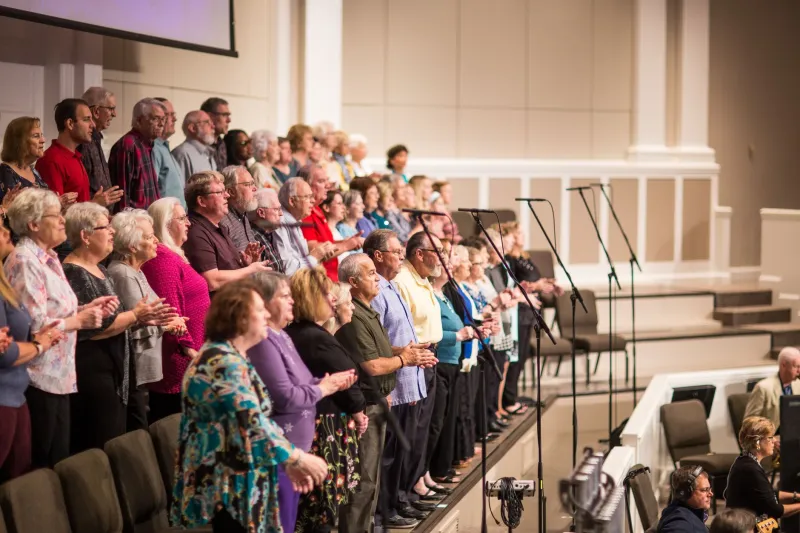
On a wet Saturday morning in November, the last thing you might expect from a neighbourhood café is the sound of forty people singing in loose harmony. Yet in a growing number of rooms across the UK, that is exactly what is happening — not as a performance, not as a gimmick, but as a quiet rearrangement of what a café is for.
The tables are pushed back. The chairs are set in a rough circle. Someone has brought a flask of tea and a folder of lyrics. The espresso machine, for once, is not the loudest thing in the room.
The room before the rush
These are café choirs, and they are part of a wider reappraisal of the Saturday morning. The format is deliberately simple. A local choir leader or musician arrives at 9am with a set of songs. The café opens early, sometimes an hour before its usual weekend service. People drift in, order a coffee if they want one, and stand in a loose circle. There is no audition. There is no requirement to read music. There is no promise that anyone will hear you sing.
For 60 to 90 minutes, the room belongs to voices. Then the chairs go back, the tables return, and the lunch rush begins.
The appeal is not hard to understand. Choirs have long been one of Britain’s most accessible social pleasures — from chapel singing to pub carols, from workplace groups to the mass singalongs that fill concert halls — but the café version strips away the last remaining barriers. You do not need to commit to a term. You do not need to own a black folder. You do not need to be any good.
A songbook that follows the calendar
What makes these gatherings feel distinct is the repertoire. Leaders tend to build sets around the season rather than around a fixed syllabus. In late autumn, that might mean songs about harvest, light and the turning year, alongside early carols held back until the right week in December. In spring, the setlist shifts towards seeding songs and May carols; in summer, towards festival rounds and folk songs with big, easy choruses.
The effect is not unlike a café menu. The ingredients change with the weather. A choir that sings the same three pop songs every week can feel like a playlist; a choir that moves from a wassail to a work song to a lullaby feels like a place with a sense of time.
Many leaders teach by ear — call and response, line by line — so that nobody is left staring at a page. Others hand out lyric sheets with the harmonies marked in coloured pen. The best sessions tend to include at least one song that everyone already knows, one that is slightly unfamiliar, and one that is a little bit silly.
The practical magic of a handed-over floor
For café owners, the arrangement is less altruistic than it looks. Saturday mornings can be slow. The early crowd has been and gone; the brunch crowd has not yet arrived. A choir fills that gap with people who may well stay for a second coffee, a pastry or a bowl of soup afterwards. It also builds a different kind of loyalty. A room that has heard you sing badly is a room you return to.
But the real magic is in the handover itself. A café floor is usually organised around transactions: order here, sit there, leave by noon. A choir reorders the room around listening and making sound together. The barista becomes a participant — keeping the coffee coming, occasionally joining in on a chorus, acting as host rather than gatekeeper. The usual boundary between staff and customer softens.
There is no stage, which is the point. Nobody is watching. Everybody is doing the same slightly vulnerable thing, which is why the atmosphere tends to be so unguarded.
What to expect if you turn up
First-timers often worry about the wrong things: that they cannot sing, that they will not know the words, that they will be the only one who feels self-conscious. In practice, the format is designed to absorb all of that. Words are provided or taught. Harmonies are optional. You can stand at the back and hum.
Wear layers — café floors can be draughty in winter — and bring water. Arrive a few minutes early if you want to settle in. Most groups ask for a small contribution, often £5 or a pay-what-you-can donation, which goes towards the leader’s time and the café’s early opening. Sessions usually finish before the lunch service, so there is no pressure to stay or to buy anything beyond your first drink.
Some cafés run a short, informal sharing session at the end of a term: a few songs for friends and regulars, no tickets, no stage lighting. It is less a concert than a room full of people who have got to know each other’s voices.
Why the format is finding its feet now
The rise of the café choir fits a broader appetite for low-pressure, low-cost ways to be together. It is sober, it is daytime, it is not organised around spending money, and it asks for nothing more than your presence. In a year when many of us are looking for reasons to leave the house that do not involve a screen or a schedule, that is a powerful combination.
It also suits the café itself. The room is already warm, already familiar, already designed for lingering. All it needs is a different kind of queue.
Next Saturday, listen for the hum before the grinder. If you pass a café with its chairs in a circle and its door propped open, step inside. You do not need to be ready. You only need to be there.