Salt Air and Slow Braises: The Coastal Cafés That Cook to the Weather
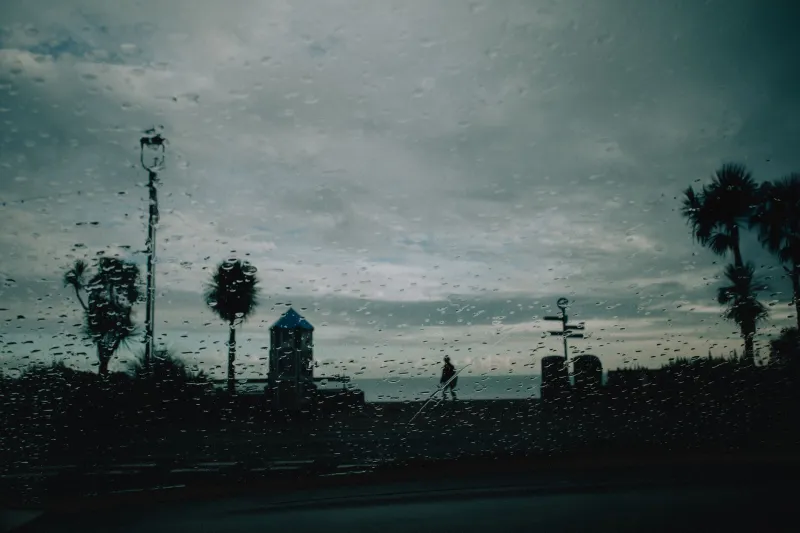
There is a particular kind of grey that settles over the British coast in November. It is not dramatic weather — not yet — but a low, salt-heavy murk that makes the sea look like wet slate and turns every café window into a soft-focus advertisement for staying inside. On days like these, along stretches of Cornwall, Northumberland, Pembrokeshire and the East Anglian coast, a quiet shift takes place behind the counter. The chalkboard is rewritten. The soup pot comes out early. Someone checks the shipping forecast not for entertainment but for the day's prep list.
The forecast as a working document
Coastal cafés have always lived close to the weather. Ferries get cancelled, tides cut off causeways, and a walk that looked brisk from the car park can turn into a horizontal drizzle within twenty minutes. What feels new this autumn is how openly some kitchens are letting that uncertainty shape the menu. Instead of fighting the forecast, they are cooking to it.
You can see it in the language on the board: braised, slow-roasted, buttered, toasted, steamed. Dishes that reward a wet coat and a muddy boot. A beef and ale stew that has had the morning to itself. Smoked haddock chowder with a wedge of brown bread. A tray of leek and mature cheddar toasties going into the press because the kitchen knows that, by noon, the seafront will be empty and the café will be full.
This is not a gimmick. It is practical hospitality. When the light turns grey and the ferry timetable starts to wobble, the café becomes a warm room with a purpose. The menu simply follows the mood of the coast.
What storm-day cooking tastes like
The best of these plates are not complicated. They are made from ingredients that can wait a little longer and methods that improve with time. Lamb shoulder with rosemary and soft onions. A fish pie with a proper mash lid. Onion soup with a cap of melted cheese. Rice pudding scented with nutmeg, left in a low oven until it turns thick and comforting.
Sea-salt butter deserves its own line. On a storm day, warm bread and good butter can feel like a full course. Look for cafés that churn or source a local cultured butter, then serve it not fridge-cold but soft enough to spread. It is a small signal that someone has thought about the first thing you taste.
Toasted sandwiches are the quiet heroes of the coastal winter menu. Mature cheddar with leek and a little mustard. Crab rarebit where the local catch allows. Mushroom and thyme under a lid of cheese. They are quick, generous and made for one hand while the other holds a pot of tea.
Puddings matter just as much. Treacle tart, apple crumble with proper custard, a dark chocolate pot with a spoonful of salted cream. These are not summer desserts dressed for winter. They are plates designed to slow the table down. If the rain is coming sideways, a pudding is not an indulgence; it is part of the weatherproofing.
A practical guide to ordering well
Read the verbs, not just the ingredients. Words like braised, slow-cooked, toasted and buttered tell you more about the kitchen's intentions than a long list of fashionable produce.
Ask what is local and what is left. Storm days are unpredictable, and the best cafés will happily tell you what came in that morning, what the fishmonger had, or what the gardener dropped off before the wind picked up.
Order the soup and the toastie together. It is the coastal winter equivalent of a sun lounger: not fancy, entirely correct. Add a spoon and share a pudding if you are with someone.
Look for the small rituals. A pot of tea rather than a mug. A jug of water without asking. A dog bowl by the door. A stack of board games that has clearly been used. These are signs that the café expects you to stay a while.
Time your visit with the tide and the timetable. Before high tide or after a cancelled ferry, the room will fill quickly. Go early, or go late, and leave room for the people who live there.
The café as a civic room
On a storm day, a coastal café does more than feed people. It becomes a waiting room for stranded passengers, a drying room for walkers, a meeting place for neighbours who would otherwise stay indoors. The noticeboard by the loo fills up with choir dates, beach cleans and lost dog notices. Someone charges a phone. Someone else shares a table because there is nowhere else to sit.
That is the quiet value of cooking for storm season. It supports local producers by making the most of what is available. It supports the community by keeping the lights on when the seafront goes dark. And it supports the simple belief that bad weather is not a reason to rush home — it is a reason to order one more pot of tea.
So when the forecast is grim, look for the café with the steamy windows and the handwritten menu. Sit near the radiator if you can. Ask what has been cooking longest. The coast may be showing its least generous face, but the table is doing the opposite.