The Nearer the Better: Inside the Quiet Rise of the Five-Mile Café Menu
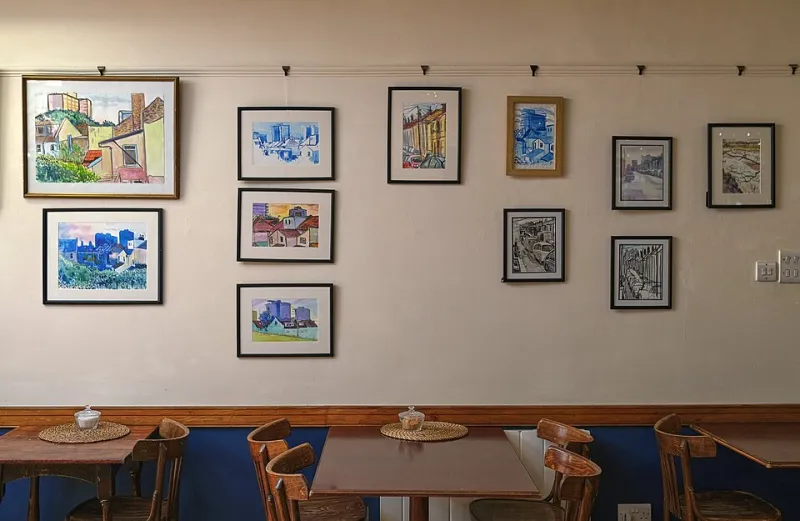
Photo: Anthony O'Neil , CC BY-SA 2.0, via Wikimedia Commons
On a grey Saturday in November, a café menu can tell you a lot about where you are. One might list the orchard down the road, the bakery two streets over, the dairy on the edge of town. Another might simply say “seasonal” and leave it at that. The difference is not just marketing. It is the quiet shape of a supply chain getting shorter.
The five-mile menu is not a strict rule. Very few cafés can source everything within five miles, and the ones that claim to usually have a caveat about coffee, salt or cooking oil. But as an idea, it is spreading: a deliberate preference for ingredients that come from nearby, bought through relationships rather than catalogue numbers, and cooked in a way that lets the place speak.
What a five-mile menu actually means
In practice, it is less a radius and more a hierarchy. First come the things grown or made locally: apples from a nearby orchard, herbs from an allotment, salad leaves from a market garden, bread from a bakery in town. Then come the regional staples that travel well but not far: milk and cream from a county dairy, cheese from a neighbouring farm, flour from a regional mill. Only after that do the store-cupboard exceptions arrive — coffee, tea, spices, citrus, olive oil.
For café owners, this is not simply a romantic choice. It is a way of managing risk. A short supply chain can mean fresher produce, less waste and a menu that changes with the weather rather than fighting it. It also means the person cooking knows the person growing. When the apple crop is small, you make fewer tarts. When the bakery has a glut of sourdough, you make panzanella in summer or a bread-and-butter pudding in winter.
From orchard to counter
The most visible expression of the five-mile menu is fruit. In autumn, cafés that once bought anonymous apples by the box start naming the orchard. The fruit is often smaller, less uniform and more delicious. It goes into crumbles, chutneys and lunchtime salads with blue cheese. By January, the same cafés are using stored apples, pears and quince, or moving into forced rhubarb and preserved fruit. The menu becomes a calendar.
Bread is another quiet indicator. A café that buys from a town-centre bakery is not just supporting another business; it is building a daily rhythm. The bread arrives warm, the toast tastes of something, and the kitchen can plan around what is available. Nearby dairy works the same way. Milk, cream and yoghurt from a farm within an hour’s drive often mean better flavour and a closer relationship with the producer. Allotment herbs, meanwhile, are the ultimate small-scale ingredient: a bunch of mint, a handful of parsley, a few nasturtium leaves that make a plate feel alive.
The winter problem
A five-mile menu is easy to admire in August. It gets harder in February. The UK’s growing season has a hungry gap, and no amount of good intentions can conjure tomatoes from a frosty field. Cafés that take local sourcing seriously have to become skilled at preservation, substitution and honesty.
That might mean pickled cucumbers in winter instead of fresh ones, or a menu that plainly says “stored apples” rather than pretending otherwise. It means leaning on roots, greens, leeks, celeriac and cabbage. It means using the freezer wisely and not treating seasonality as a decorative word. The best local menus are not purist; they are pragmatic. They accept that a five-mile radius cannot supply every ingredient, and they make the exceptions visible.
The cost of closeness
There is a persistent myth that local food is always more expensive. Sometimes it is. Small growers cannot match the prices of large wholesalers, and a café buying six cases of apples from an orchard may pay more per kilo than it would from a catering supplier. Labour is another cost: local ingredients often arrive unwashed, irregular and in need of more handling.
But the economics are more complicated than the sticker price. Short supply chains can reduce waste, because the kitchen knows what is coming and can plan around it. They can build customer loyalty, because people like to know where their lunch came from. They can also create a more distinctive menu, which is worth something in a crowded market. The cafés that do this well tend to be transparent about the trade-offs. They do not claim to be perfect. They explain what is local, what is not, and why.
Why character tastes better
A plate of food can be technically good and still forgettable. What makes it memorable is often a sense of place. A slice of cake made with apples from an orchard you can walk to tastes different from a generic traybake, even if the recipe is simple. A cheese toastie made with bread from the bakery around the corner has a texture and flavour that tells you something about the town.
This is why readers are seeking out cafés with a visible local larder. It is not just about food miles or sustainability, though those matter. It is about character. In a world of interchangeable menus, a five-mile approach gives a café a reason to be where it is. It makes the short lunch break feel connected to the landscape outside the window.
How to spot the real thing
The difference between a genuine five-mile menu and a marketing slogan is usually in the details. Look for named suppliers on the menu, not just “local”. Listen for staff who can tell you which farm the milk came from or which allotment grew the herbs. Notice whether the menu changes with the season, or whether the same “seasonal” dishes appear in January and July. A real local menu has gaps, substitutions and occasional shortages. That is a sign of honesty, not failure.
It also helps to ask. Most café owners are happy to talk about their suppliers, especially if they have built the relationships themselves. The answer will tell you whether “local” is a genuine preference or a line on a chalkboard.
The nearer the better
The five-mile menu is not a solution to every problem in the food system. It is a small, practical shift towards food that tastes of somewhere. It asks cafés to know their neighbours, to cook with the seasons and to be honest about what they cannot source. In return, it gives customers something increasingly rare: a plate that could only belong here.
As November settles in and the days shorten, there is comfort in that. A café that sources close to home is not just feeding people. It is keeping a place alive, one apple, one loaf and one jug of milk at a time.